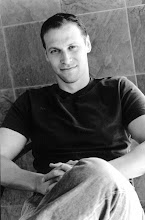
I finally stopped home after the first leg of the tour, and a really fun lecture series I gave on Shakespearean locations in the Mediterranean (and Aegean) for Harvard. It was really wonderful to discuss the plays while on a ship headed to the very places we were discussing. The company was also very stimulating - a very broad range of accomplished people in very diverse fields.
I started by discussing Shakespeare's language and biography, with an emphasis on violence in his day. My second lecture was a Jungian analysis of Othello, the third a talk about Orson Welles's Othello, and I wrapped it up by looking at Romeo & Juliet in popular culture, from West Side Story to Dire Straits.
What was so interesting for me, in revisiting this field that I last studied formally about ten years ago, was all the ways in which my study of literature - and Shakespeare in particular - influenced my writing. It's very indirect of course, but plugging into some of these narratives again gave me a really fresh perspective on how I came to writing and some of the themes I've chosen.
I have a few more tour stops (San Diego, Orange, Milwaukee, Florida, Oakland) but am now home for the most part, getting ready to dig into something new.
Tuesday, September 27, 2005


Monday, September 12, 2005
Word From New Orleans
Before leaving on the second leg of my tour, I wanted to post a few emails I got from a courageous doc in New Orleans....
_____
Dear Gregg,
I have been reading your novel, "Minutes To Burn" for the last 10 days since the hurricane destroyed my home and too many others here in Biloxi. I'm a physician at the VA Hospital here, and have had to live in my office since Katrina hit in order to be available for duty 24/7. I just wanted to say that I think reading your novel helped keep me sane and in balance through this trial. I started it August 29, at a MOTEL 6 in Hattiesburg, reading by the light of my cell phone while the storm passed outside. I've read a little each night before sleep. Usually I read a book nonstop, but I tried to meter it out to make it last awhile. I really looked forward to getting into the story at days' end; just a little fantasy to get my mind off of this difficult reality. It helped to realize that at least there aren't any overgrown mantids running around loose here.
I'd like to send it to you for an autograph, if you wouldn't mind" to keep as a personal memento of Hurricane Katrina. I can tell my kids, "This is the book that kept me from going nuts during that time."
Thanks so much.
_____
I wrote back telling him that I'd gladly send along a few books to those in the trenches, and I asked what those of us outside the wreckage could do to help. He emailed back:
____
Gregg, thanks for your kind offer of assistance. Currently I don't have a
mailing address, and have been told not to attempt to receive mail at the
hospital right now. I don't believe any mail is being delivered down here
yet, anyway. I will be glad to take you up on your offer when I have
relocated.
What we need most down here right now are homes for the 30% or so who have
none. Not much L.A. can do about that, I know. People are actually becoming
institutionalized from long stretches in shelters! I am becoming fond of my
little office as a place to live! Isn't that bizarre?! Those whose homes are
not so badly damaged are being quite generous in accommodating friends and
relatives. FEMA keeps talking about trailers, but they have yet to appear.
Rentals are few and far between. Many have already permanently left the area
seeking new homes and jobs. What people have really lost isn't just houses,
but their HOME, their community, their social contacts and support networks.
That's the real devastation here. It will take years to regain that sense of
community, if we ever can. It won't be the same, that much is certain.
The main thing that will help in the long haul is an assurance that the
country doesn't forget about us down here. Once the media coverage moves on
to the next big story, people will think about other important things, as
they should, but for us it will remain a day-to-day effort just to keep
going, keep rebuilding, trying not to get too discouraged or depressed as
the losses hit home. I know we're in for a long and tedious process of not
just economic but also emotional recovery. It's just beginning.
You really can't imagine what's going on here unless you see it and feel it
for yourself. TV just can't capture it. People are being tremendously
courageous, no doubt about that, but underneath we are one hurting group of
folks. So much uncertainty and insecurity. You can see it in people's eyes.
We are all learning how to live a day at a time, because there is no other
way to cope. The big picture is just too immensely awful to contemplate!
Hey, maybe you could come down here and write a book about us. Not exactly
your genre, but it would be a great morale booster.
Anyway, thanks again for your kind wishes.
_____
I think it's important in this attention-deficit-disorder world to remember those who need our assistance down there after the media spotlight passes on. I have friends fighting in Afghanistan who feel the same way. Despite the allure of Taradise, there's still a war (or two) going on, a city being slowly rebuilt. Our thoughts are with those on the front lines of disaster, and we won't forget you.
_____
Dear Gregg,
I have been reading your novel, "Minutes To Burn" for the last 10 days since the hurricane destroyed my home and too many others here in Biloxi. I'm a physician at the VA Hospital here, and have had to live in my office since Katrina hit in order to be available for duty 24/7. I just wanted to say that I think reading your novel helped keep me sane and in balance through this trial. I started it August 29, at a MOTEL 6 in Hattiesburg, reading by the light of my cell phone while the storm passed outside. I've read a little each night before sleep. Usually I read a book nonstop, but I tried to meter it out to make it last awhile. I really looked forward to getting into the story at days' end; just a little fantasy to get my mind off of this difficult reality. It helped to realize that at least there aren't any overgrown mantids running around loose here.
I'd like to send it to you for an autograph, if you wouldn't mind" to keep as a personal memento of Hurricane Katrina. I can tell my kids, "This is the book that kept me from going nuts during that time."
Thanks so much.
_____
I wrote back telling him that I'd gladly send along a few books to those in the trenches, and I asked what those of us outside the wreckage could do to help. He emailed back:
____
Gregg, thanks for your kind offer of assistance. Currently I don't have a
mailing address, and have been told not to attempt to receive mail at the
hospital right now. I don't believe any mail is being delivered down here
yet, anyway. I will be glad to take you up on your offer when I have
relocated.
What we need most down here right now are homes for the 30% or so who have
none. Not much L.A. can do about that, I know. People are actually becoming
institutionalized from long stretches in shelters! I am becoming fond of my
little office as a place to live! Isn't that bizarre?! Those whose homes are
not so badly damaged are being quite generous in accommodating friends and
relatives. FEMA keeps talking about trailers, but they have yet to appear.
Rentals are few and far between. Many have already permanently left the area
seeking new homes and jobs. What people have really lost isn't just houses,
but their HOME, their community, their social contacts and support networks.
That's the real devastation here. It will take years to regain that sense of
community, if we ever can. It won't be the same, that much is certain.
The main thing that will help in the long haul is an assurance that the
country doesn't forget about us down here. Once the media coverage moves on
to the next big story, people will think about other important things, as
they should, but for us it will remain a day-to-day effort just to keep
going, keep rebuilding, trying not to get too discouraged or depressed as
the losses hit home. I know we're in for a long and tedious process of not
just economic but also emotional recovery. It's just beginning.
You really can't imagine what's going on here unless you see it and feel it
for yourself. TV just can't capture it. People are being tremendously
courageous, no doubt about that, but underneath we are one hurting group of
folks. So much uncertainty and insecurity. You can see it in people's eyes.
We are all learning how to live a day at a time, because there is no other
way to cope. The big picture is just too immensely awful to contemplate!
Hey, maybe you could come down here and write a book about us. Not exactly
your genre, but it would be a great morale booster.
Anyway, thanks again for your kind wishes.
_____
I think it's important in this attention-deficit-disorder world to remember those who need our assistance down there after the media spotlight passes on. I have friends fighting in Afghanistan who feel the same way. Despite the allure of Taradise, there's still a war (or two) going on, a city being slowly rebuilt. Our thoughts are with those on the front lines of disaster, and we won't forget you.
Wednesday, September 07, 2005
Biggest Tour Oddity
In each city I'm heading to on my TROUBLESHOOTER tour, I have an "escort," a person who picks me up and drives me around to various bookstores and to my events.
Today in Boston, after about twenty minutes in the car, my escort and I figured out that we're - quite distantly - related.
Doesn't get much odder than that.
Today in Boston, after about twenty minutes in the car, my escort and I figured out that we're - quite distantly - related.
Doesn't get much odder than that.
Monday, August 29, 2005
A Chat with Tess Gerritsen
Hi All,
TROUBLESHOOTER launches tomorrow night at Dutton's in Brentwood, then I'm on the road from there - Bouchercon, Phoenix, Boston, Seattle, Palo Alto, San Jose, Orange, Costa Mesa, San Diego and more. To find out where else, check out "the tour" section of my site. Before I head off, I wanted to post this interview with Tess Gerritsen, one of my favorite writers - and people.
Gregg
________________________
Tess Gerritsen Speaks With Gregg Hurwitz About Troubleshooter,
Outlaw Biker Gangs, and Liquid Heroin
TG: You decided to bring back the infamous Tim Rackley in this novel. Why now?
GH: I never set out to write a series, but Tim got under my skin in a way that no other character of mine had. After THE KILL CLAUSE, I had another story I wanted to write, but Tim kept worming his way into the plot. I found that including him in THE PROGRAM gave me a lot of great creative opportunities. By the time I began TROUBLESHOOTER, Tim was fully in the driver’s seat. It’s the first time he’s truly back with the Marshals, with complete federal resources behind him, working his deadliest case yet.
TG: TROUBLESHOOTER focuses on outlaw biker gangs of California. What kind of research did you do to learn about these gangs?
GH: First off, I learned how to ride a Harley (badly). And I rode a lot of the biker routes through the LA canyons, including the Malibu trail where Tim’s first confrontation with Den Laurey takes place. I also spent a lot of time interviewing cops and FBI agents who worked biker units. Some specialized law enforcement articles about handling outlaw biker gangs filled in the blanks.
TG: Who was the most interesting person you met in the course of your research?
GH: One former agent was of great help, having ridden undercover with biker gangs for seven years. I flew out to meet him in Miami and spent a few days drinking beers with him and swapping stories (his were much better than mine).
TG: The use of a very technical, and gruesome, medical procedure in this novel ties together the mysterious death of underprivileged women and the distribution of a highly advanced form of liquid heroin – where did you come up with this idea?
GH: This was another of the fun parts of my research. I wanted to find an ingenious smuggling device, something worthy of Den Laurey and the Sinners. But everything I came up with felt somehow standard. I was doing some related research and a bunch of different ideas all came together at once. A medical journal article I read collided with an agency document I’d gotten ahold of about airport security and the idea was born. I don’t want to give anything away, but let’s just say that the more I looked into my fictional scenario, the more plausible—and unique—it seemed.
TG: You’ve put Rackley in some truly horrific situations, from losing his daughter to being manipulated by a mind control cult. Now in TROUBLESHOOTER you make Tim face the possible loss of his wife and unborn child. Why do you choose to interweave the personal and professional life of Rackley so tightly?
GH: The Rackley series is really an action-meditation (how’s that for an oxymoron?) on vigilanteism. Because of that, I wanted to raise the stakes on the factors that tempt Tim to act outside the law. At the end of THE KILL CLAUSE, he returns to a position he previously held, but with newfound conviction—he recognizes the importance of the law, sometimes even over justice. That conviction is tested in TROUBLESHOOTER in an entirely different manner. And the question becomes: with so many deadly skills at his disposal, can Tim hold on to lawfulness?
TG: Can we expect to see Rackley on the big screen any time soon?
GH: Here’s hoping! I had a lot of fun adapting THE KILL CLAUSE for Paramount, and am looking into opportunities for the other books in the series.
TROUBLESHOOTER launches tomorrow night at Dutton's in Brentwood, then I'm on the road from there - Bouchercon, Phoenix, Boston, Seattle, Palo Alto, San Jose, Orange, Costa Mesa, San Diego and more. To find out where else, check out "the tour" section of my site. Before I head off, I wanted to post this interview with Tess Gerritsen, one of my favorite writers - and people.
Gregg
________________________
Tess Gerritsen Speaks With Gregg Hurwitz About Troubleshooter,
Outlaw Biker Gangs, and Liquid Heroin
TG: You decided to bring back the infamous Tim Rackley in this novel. Why now?
GH: I never set out to write a series, but Tim got under my skin in a way that no other character of mine had. After THE KILL CLAUSE, I had another story I wanted to write, but Tim kept worming his way into the plot. I found that including him in THE PROGRAM gave me a lot of great creative opportunities. By the time I began TROUBLESHOOTER, Tim was fully in the driver’s seat. It’s the first time he’s truly back with the Marshals, with complete federal resources behind him, working his deadliest case yet.
TG: TROUBLESHOOTER focuses on outlaw biker gangs of California. What kind of research did you do to learn about these gangs?
GH: First off, I learned how to ride a Harley (badly). And I rode a lot of the biker routes through the LA canyons, including the Malibu trail where Tim’s first confrontation with Den Laurey takes place. I also spent a lot of time interviewing cops and FBI agents who worked biker units. Some specialized law enforcement articles about handling outlaw biker gangs filled in the blanks.
TG: Who was the most interesting person you met in the course of your research?
GH: One former agent was of great help, having ridden undercover with biker gangs for seven years. I flew out to meet him in Miami and spent a few days drinking beers with him and swapping stories (his were much better than mine).
TG: The use of a very technical, and gruesome, medical procedure in this novel ties together the mysterious death of underprivileged women and the distribution of a highly advanced form of liquid heroin – where did you come up with this idea?
GH: This was another of the fun parts of my research. I wanted to find an ingenious smuggling device, something worthy of Den Laurey and the Sinners. But everything I came up with felt somehow standard. I was doing some related research and a bunch of different ideas all came together at once. A medical journal article I read collided with an agency document I’d gotten ahold of about airport security and the idea was born. I don’t want to give anything away, but let’s just say that the more I looked into my fictional scenario, the more plausible—and unique—it seemed.
TG: You’ve put Rackley in some truly horrific situations, from losing his daughter to being manipulated by a mind control cult. Now in TROUBLESHOOTER you make Tim face the possible loss of his wife and unborn child. Why do you choose to interweave the personal and professional life of Rackley so tightly?
GH: The Rackley series is really an action-meditation (how’s that for an oxymoron?) on vigilanteism. Because of that, I wanted to raise the stakes on the factors that tempt Tim to act outside the law. At the end of THE KILL CLAUSE, he returns to a position he previously held, but with newfound conviction—he recognizes the importance of the law, sometimes even over justice. That conviction is tested in TROUBLESHOOTER in an entirely different manner. And the question becomes: with so many deadly skills at his disposal, can Tim hold on to lawfulness?
TG: Can we expect to see Rackley on the big screen any time soon?
GH: Here’s hoping! I had a lot of fun adapting THE KILL CLAUSE for Paramount, and am looking into opportunities for the other books in the series.
Friday, August 19, 2005
Tim Rackley's Resume
Tim Rackley
Deputy U.S. Marshal
Central District Office
Roybal Federal Building
Los Angeles, CA 90012
Email care of: gregg.hurwitz@adelphia.net
__________________________________________________________________________________________________________________________
RÉSUMÉ
U.S. Army
• Enlisted, age 19, Sept 1988
• Joined Army Rangers, 1990
o Close Quarter Combat School, Night Movement School, SERE School, HALO School, Jumpmaster School, Pathfinder
School, Land Nav, Sniper School, Demo School, SCUBA, Urban Warfare, Mountain Warfare, Jungle Warfare
o Eleven years service, honorable discharge
United States Marshals Service
• Central District, California
• Escape Team, Nov 2001-Feb 2003
• Arrest Response Team Member, Nov 2001-Feb 2003
• Three Outstanding Performance Ratings
• Two Distinguished Service Awards
• Forsyth Medal of Valor
• Hiatus: May 2003-April 2004 (aftermath of daughter’s murder and resultant entanglement with the Commission until
invocation of The Kill Clause)
• Return to Service: April 2004-present
• Major Case: busted The Program, a mind-control cult with operations north of Los Angeles
CURRENT TOP PRIORITY
• December 21: Escape of Den Laurey, Laughing Sinner Nomad on Highway 10 outside downtown Los Angeles. Two
deputies U.S. marshals killed during escape
• Laurey accorded Top Fifteen Case Status
• Tim Rackley, aka, Troubleshooter, enlisted as Task Force Leader
• CONCERN: THE SINNERS HAVE BROKEN OUT LAUREY TO FULFILL A MAJOR GANG OBJECTIVE. OBJECTIVE REMAINS
UNCLEAR….
Deputy U.S. Marshal
Central District Office
Roybal Federal Building
Los Angeles, CA 90012
Email care of: gregg.hurwitz@adelphia.net
__________________________________________________________________________________________________________________________
RÉSUMÉ
U.S. Army
• Enlisted, age 19, Sept 1988
• Joined Army Rangers, 1990
o Close Quarter Combat School, Night Movement School, SERE School, HALO School, Jumpmaster School, Pathfinder
School, Land Nav, Sniper School, Demo School, SCUBA, Urban Warfare, Mountain Warfare, Jungle Warfare
o Eleven years service, honorable discharge
United States Marshals Service
• Central District, California
• Escape Team, Nov 2001-Feb 2003
• Arrest Response Team Member, Nov 2001-Feb 2003
• Three Outstanding Performance Ratings
• Two Distinguished Service Awards
• Forsyth Medal of Valor
• Hiatus: May 2003-April 2004 (aftermath of daughter’s murder and resultant entanglement with the Commission until
invocation of The Kill Clause)
• Return to Service: April 2004-present
• Major Case: busted The Program, a mind-control cult with operations north of Los Angeles
CURRENT TOP PRIORITY
• December 21: Escape of Den Laurey, Laughing Sinner Nomad on Highway 10 outside downtown Los Angeles. Two
deputies U.S. marshals killed during escape
• Laurey accorded Top Fifteen Case Status
• Tim Rackley, aka, Troubleshooter, enlisted as Task Force Leader
• CONCERN: THE SINNERS HAVE BROKEN OUT LAUREY TO FULFILL A MAJOR GANG OBJECTIVE. OBJECTIVE REMAINS
UNCLEAR….
Tuesday, August 09, 2005
On The Road – And In The Lab – Again
Usually when I start formulating ideas for my next thriller, the course I need to chart to conduct research is pretty clear. Minutes to Burn—go to Galápagos. Do No Harm—shadow doctors in emergency rooms. The Program—sneak undercover into mind-control cults. But for Troubleshooter, I had an odd mix of sub-topics to delve into.
First and foremost were the outlaw biker gangs. I figured there was no way I could write about bikers without learning to ride a Harley. One of my buddies has his motorcycle license, so I convinced him to rent a Fat Boy and teach me. Off we went to some back roads of the Valley, me taking mental notes before giving it a spin solo (what the hell—the deposit was on his credit card). Then we hit a few biker hang outs and I started to get a feel for the slang and the swagger. The Rockstore, at which a key scene in the book is set, is where we stopped for beer and burgers.
It took some doing, but I tracked down an FBI Special Agent in charge of the Violent Gangs Task Force in San Francisco, who gave me some time and started bringing me up to speed on the inner culture of the gangs. But I realized I’d need even more. I wanted to talk to someone who not just tracked and busted gangs, but who understood them from the inside out. Through one of my Navy SEALs buddies (a consultant for Minutes to Burn), I got ahold of a former undercover agent who’d ridden with biker gangs for seven years. We arranged a meeting, and I flew cross-country to meet him in Miami. He’d grown up in the gangs, and riding in such dangerous company for so many years meant he’d really become part of the culture. He didn’t despise bikers at all—they were a part of his life, even though his inside intel had helped dismantle some of the gangs’ criminal activities. We spent two days and nights talking and drinking, and he really helped me hammer out some of the details, the drug distribution scenarios in particular.
The drug smuggling device I came up with on my own, and that took me into a world of research about body packing. My desk drawers are stuffed with articles from medical journals about gastrointestinal products and procedures (I’m being purposefully vague here so as not to give away a key element of the plot). My father and sister are both gastroenterologists, and their input on the specifics proved invaluable.
I also had to do a crash course on corpses and cadaver preparation. I’d conducted an interview for Do No Harm with a lab tech, during which he’d literally carved up a cadaver to send the parts to various anatomy labs, so I was already familiar with some of the basics (duck when the Sawzall revs up, wear goggles and waterproof boots). But I had to round out my knowledge of the particulars even further, so I got ahold of a few mortician textbooks from tiny educational presses and gave those a read. I spent part of a Hawaiian vacation perusing them, and they drew some odd glances around the pool. It seems I get more used to such looks with every new book….
First and foremost were the outlaw biker gangs. I figured there was no way I could write about bikers without learning to ride a Harley. One of my buddies has his motorcycle license, so I convinced him to rent a Fat Boy and teach me. Off we went to some back roads of the Valley, me taking mental notes before giving it a spin solo (what the hell—the deposit was on his credit card). Then we hit a few biker hang outs and I started to get a feel for the slang and the swagger. The Rockstore, at which a key scene in the book is set, is where we stopped for beer and burgers.
It took some doing, but I tracked down an FBI Special Agent in charge of the Violent Gangs Task Force in San Francisco, who gave me some time and started bringing me up to speed on the inner culture of the gangs. But I realized I’d need even more. I wanted to talk to someone who not just tracked and busted gangs, but who understood them from the inside out. Through one of my Navy SEALs buddies (a consultant for Minutes to Burn), I got ahold of a former undercover agent who’d ridden with biker gangs for seven years. We arranged a meeting, and I flew cross-country to meet him in Miami. He’d grown up in the gangs, and riding in such dangerous company for so many years meant he’d really become part of the culture. He didn’t despise bikers at all—they were a part of his life, even though his inside intel had helped dismantle some of the gangs’ criminal activities. We spent two days and nights talking and drinking, and he really helped me hammer out some of the details, the drug distribution scenarios in particular.
The drug smuggling device I came up with on my own, and that took me into a world of research about body packing. My desk drawers are stuffed with articles from medical journals about gastrointestinal products and procedures (I’m being purposefully vague here so as not to give away a key element of the plot). My father and sister are both gastroenterologists, and their input on the specifics proved invaluable.
I also had to do a crash course on corpses and cadaver preparation. I’d conducted an interview for Do No Harm with a lab tech, during which he’d literally carved up a cadaver to send the parts to various anatomy labs, so I was already familiar with some of the basics (duck when the Sawzall revs up, wear goggles and waterproof boots). But I had to round out my knowledge of the particulars even further, so I got ahold of a few mortician textbooks from tiny educational presses and gave those a read. I spent part of a Hawaiian vacation perusing them, and they drew some odd glances around the pool. It seems I get more used to such looks with every new book….
Friday, August 05, 2005
Requiring No Attribution
"To play Daisy Duke, I mean, that's like an iconish ... is that a word ... iconic figure," she said.
Monday, August 01, 2005
Winning Minds and Minds
Never have I written a novel with the grander social good in mind. I like to think I'm not that arrogant, and I have little interest in writing propaganda (Capitalism is Good! by Ayn Rand). As the good man Seinfeld says, "Not that there's anything wrong with that;" I just don't view it as my job. I've always wanted to put myself in the service of the story that I'm telling - first and foremost - and having an agenda underlying the narrative seems a cheat. I can't know all the "morals" of the story I'm writing in advance and shape the plot to those ends. That said, one of the aspects of writing crime fiction that I love is that I get to punish people - or types of people - who piss me off. Having discussed mind-control cults with a buddy who lost his sister into one, I set out to research them (dark, twisted, psychological - what's not to love?). And I found the research endlessly fascinating. I created my own cult in THE PROGRAM, complete with narcissistic leader, and had a lot of fun doing it.
When the book came out, it drew some interesting remarks from reviewers. More than a few mentioned it should be required reading for anyone before going to college, because it peels back the veneer and shows the strategies which mind-control cults use to recruit. A cult's inner workings, finally on display. Others recommended the book for friends, relatives, people traveling - the list went on and on. I even got invited to UCLA's social psych department to lecture on mind-control techniques.
Though I didn't write The Program as some act of public good, it's certainly been gratifying to see that it has helped some people in ways that are - dare I say? - concrete.
I received the following email the other day (details have been exed out to conceal the identity of the sender - and the email will self-destruct in 30 seconds):
___
Hi Gregg,
At xxx I sat at your table and asked a lot of questions last year. I loved The Program. In fact that book helped a good friend of ours here in xxx. Turns out their son and wife are involved with some religious cult and they can't seem to get them to realize that all this group wants is money. I loaned them your book to read on how it is done. Now they have a better insight. Can hardly wait for the new book. Are you riding in biker groups to get a feel for your writing?
___
Maybe TROUBLESHOOTER will be used to help people getting sucked into biker gangs....
When the book came out, it drew some interesting remarks from reviewers. More than a few mentioned it should be required reading for anyone before going to college, because it peels back the veneer and shows the strategies which mind-control cults use to recruit. A cult's inner workings, finally on display. Others recommended the book for friends, relatives, people traveling - the list went on and on. I even got invited to UCLA's social psych department to lecture on mind-control techniques.
Though I didn't write The Program as some act of public good, it's certainly been gratifying to see that it has helped some people in ways that are - dare I say? - concrete.
I received the following email the other day (details have been exed out to conceal the identity of the sender - and the email will self-destruct in 30 seconds):
___
Hi Gregg,
At xxx I sat at your table and asked a lot of questions last year. I loved The Program. In fact that book helped a good friend of ours here in xxx. Turns out their son and wife are involved with some religious cult and they can't seem to get them to realize that all this group wants is money. I loaned them your book to read on how it is done. Now they have a better insight. Can hardly wait for the new book. Are you riding in biker groups to get a feel for your writing?
___
Maybe TROUBLESHOOTER will be used to help people getting sucked into biker gangs....
Monday, July 25, 2005
Remembrances of Campuses Past
I’m back on campus at Harvard, delivering a speech tonight to the Summer Writing Program students. It’s a bit of an odd experience visiting Cambridge—the familiar brick buildings, the pizza joint on the corner, the particular brand of students (I passed a girl today in the Square wearing a T-shirt that read: GOT DATA?).
But what feels the most surreal is being back here in an official capacity, as a guest of the writing program. It’s something I thought about when I was an undergrad here. I started THE TOWER the summer after my sophomore year (two chapters) and wrote the bulk of the first draft the summers before and after my senior year. And I always wondered what it would be like if I got published to come back and give a talk. The department had a lunch for me this afternoon in the same building where I once sweated through an oral defense of my thesis. And there—the carpeted stairs where I posed for a photo after handing in my thesis senior year, shortly before my roommate and I wandered to the tobacconist and bought huge cigars which we smoked on the steps of Widener and wondered how the four years had gone by so goddamned fast.
I’m speaking tonight to students—one of my favorite things to do—and I hope a few of them will be encouraged to keep writing, even as the (in hindsight, still moderate) demands of life after college press in on them.
But what feels the most surreal is being back here in an official capacity, as a guest of the writing program. It’s something I thought about when I was an undergrad here. I started THE TOWER the summer after my sophomore year (two chapters) and wrote the bulk of the first draft the summers before and after my senior year. And I always wondered what it would be like if I got published to come back and give a talk. The department had a lunch for me this afternoon in the same building where I once sweated through an oral defense of my thesis. And there—the carpeted stairs where I posed for a photo after handing in my thesis senior year, shortly before my roommate and I wandered to the tobacconist and bought huge cigars which we smoked on the steps of Widener and wondered how the four years had gone by so goddamned fast.
I’m speaking tonight to students—one of my favorite things to do—and I hope a few of them will be encouraged to keep writing, even as the (in hindsight, still moderate) demands of life after college press in on them.
Tuesday, July 19, 2005
Man On Fire
Some time ago on this blog, I posted an entry about the reclusive author, A.J. Quinnell, with a link to the website with the best information on him. The author of MAN ON FIRE, among other thrillers, recently passed away.
To read more about him, and to get hazy answers to questions about who he was and what he did, check out:
http://web.singnet.com.sg/~tonym/quinnell.html
When it comes to his life, hazy's gonna be the best we get. And I sorta like it that way.
To read more about him, and to get hazy answers to questions about who he was and what he did, check out:
http://web.singnet.com.sg/~tonym/quinnell.html
When it comes to his life, hazy's gonna be the best we get. And I sorta like it that way.
Wednesday, July 13, 2005
Rest in Peace
Matthew Gene Axelson
Born June 25, 1976
Killed in action, Afghanistan, June 28, 2005
You will be missed.
HIGH FLIGHT
Oh! I have slipped the surly bonds of Earth
And danced the skies on laughter-silvered wings;
Sunward I've climbed, and joined the tumbling mirth
Of sun-split clouds --- and done a hundred things
You have not dreamed of --- wheeled and soared and swung
High in the sunlit silence. Hov'ring there,
I've chased the shouting wind along, and flung
My eager craft through footless halls of air...
Up, up the long, delirious burning blue
I've topped the wind-swept heights with easy grace
Where never lark, or ever eagle flew ---
And, while with silent, lifting mind I've trod
The high untrespassed sanctity of space,
Put out my hand, and touched the face of God.
John Gillespie Magee, Jr.
Note: During the dark days of the Battle of Britain, Magee crossed the border into Canada to enlist with the Royal Canadian Air Force. Knowingly breaking the law, but with the tacit approval of the then still officially neutral United States Government, he volunteered to fight Hitler's Germany.
Flying fighter sweeps over France and air defence over England against the German Luftwaffe, he rose to the rank of Pilot Officer. On September 3, 1941, Magee flew a high altitude - 30,000 feet - test flight in a newer model of the Spitfire V. As he orbited and climbed upward, he was struck with the inspiration of a poem "To touch the face of God."
Once back on the ground, he wrote a letter to his parents. In it he commented, "I am enclosing a verse I wrote the other day. It started at 30,000 feet, and was finished soon after I landed." On the back of the letter, he jotted down his poem, "High Flight."
Just three months later, Pilot Officer John Gillespie Magee, Jr., was killed. The Spitfire V he was flying, VZ-H, collided with an Oxford Trainer from Cranwell Airfield while over Tangmere, England. The two planes were flying in the clouds and neither saw the other. He was just 19 years old.
__
A Matthew Gene Axelson Foundation has been set up through his church, FBCLA, to provide camp scholarships for children in the future.
Donations may be made to:
First Baptist Church Los Altos (FBCLA)
Memo: Matthew Gene Axelson Foundation
625 Magdalena Avenue
Los Altos, CA 94024-5225
Born June 25, 1976
Killed in action, Afghanistan, June 28, 2005
You will be missed.
HIGH FLIGHT
Oh! I have slipped the surly bonds of Earth
And danced the skies on laughter-silvered wings;
Sunward I've climbed, and joined the tumbling mirth
Of sun-split clouds --- and done a hundred things
You have not dreamed of --- wheeled and soared and swung
High in the sunlit silence. Hov'ring there,
I've chased the shouting wind along, and flung
My eager craft through footless halls of air...
Up, up the long, delirious burning blue
I've topped the wind-swept heights with easy grace
Where never lark, or ever eagle flew ---
And, while with silent, lifting mind I've trod
The high untrespassed sanctity of space,
Put out my hand, and touched the face of God.
John Gillespie Magee, Jr.
Note: During the dark days of the Battle of Britain, Magee crossed the border into Canada to enlist with the Royal Canadian Air Force. Knowingly breaking the law, but with the tacit approval of the then still officially neutral United States Government, he volunteered to fight Hitler's Germany.
Flying fighter sweeps over France and air defence over England against the German Luftwaffe, he rose to the rank of Pilot Officer. On September 3, 1941, Magee flew a high altitude - 30,000 feet - test flight in a newer model of the Spitfire V. As he orbited and climbed upward, he was struck with the inspiration of a poem "To touch the face of God."
Once back on the ground, he wrote a letter to his parents. In it he commented, "I am enclosing a verse I wrote the other day. It started at 30,000 feet, and was finished soon after I landed." On the back of the letter, he jotted down his poem, "High Flight."
Just three months later, Pilot Officer John Gillespie Magee, Jr., was killed. The Spitfire V he was flying, VZ-H, collided with an Oxford Trainer from Cranwell Airfield while over Tangmere, England. The two planes were flying in the clouds and neither saw the other. He was just 19 years old.
__
A Matthew Gene Axelson Foundation has been set up through his church, FBCLA, to provide camp scholarships for children in the future.
Donations may be made to:
First Baptist Church Los Altos (FBCLA)
Memo: Matthew Gene Axelson Foundation
625 Magdalena Avenue
Los Altos, CA 94024-5225
Monday, July 04, 2005
SF Chronicle Review, Anthology signing
Cynicism and despair are at the heart of "Meeting Across the River," the evocative mood piece that stood out on Springsteen's blockbuster "Born to Run" album like a condemned man at a keg party. In a new anthology of the same title, 20 writers improvise on the lyric's spare tale about a petty criminal and his pathetic plot to score an illicit two grand.
It's a mark of Springsteen's occasional brilliance as a writer that he could sketch his unnamed narrator so fully, in so few words, to inspire such a variety of interpretations. Some, predictably, are more satisfying than others. Several of them are surprisingly inventive, like C.J. Box's yarn about immigrants pirating microbiological secrets in Yellowstone or Gregg Hurwitz's little thriller about a deadly virus set on a timer.
In a period piece, novelist Steve Hamilton imagines an honest mechanic who gets dragged into a mobster's bootlegging scheme. Hamilton's isn't the only story here that describes an unsavory character as a "mug." The lingo is apt, if a little obvious. "Meeting Across the River" is pure noir. The source song, despite its surface serenity, is all tension; it's immersed in nighttime.
San Francisco Chronicle
______
I will be signing with other anthology authors - and esteemed editor-contributors Richard Brewer and Jessica Kaye - at Hollywood's Book Soup, this Thursday July 7 at 7pm.
It's a mark of Springsteen's occasional brilliance as a writer that he could sketch his unnamed narrator so fully, in so few words, to inspire such a variety of interpretations. Some, predictably, are more satisfying than others. Several of them are surprisingly inventive, like C.J. Box's yarn about immigrants pirating microbiological secrets in Yellowstone or Gregg Hurwitz's little thriller about a deadly virus set on a timer.
In a period piece, novelist Steve Hamilton imagines an honest mechanic who gets dragged into a mobster's bootlegging scheme. Hamilton's isn't the only story here that describes an unsavory character as a "mug." The lingo is apt, if a little obvious. "Meeting Across the River" is pure noir. The source song, despite its surface serenity, is all tension; it's immersed in nighttime.
San Francisco Chronicle
______
I will be signing with other anthology authors - and esteemed editor-contributors Richard Brewer and Jessica Kaye - at Hollywood's Book Soup, this Thursday July 7 at 7pm.
Wednesday, June 29, 2005
Word Jumble
Below is an interesting email circulating the internet, as interesting (or irritating) emails do. I have come across this theory in a number of guises - it seems we image words in whole bites, not letter by letter. For those of you who read extensively, I wonder if you've ever had this same experience on a paragraph by paragraph basis. I used to read non-fiction this way in college - a version of speed reading.
___________
I cdnuolt blveiee taht I cluod aulaclty uesdnatnrd waht I was rdanieg The phaonmneal pweor of the hmuan mnid Aoccdrnig to rscheearch taem at Cmabrigde Uinervtisy, it deosn't mttaer in waht oredr the ltteers in a wrod are, the olny iprmoatnt tihng is taht the frist and lsat ltteer be in the rghit pclae. The rset can be a taotl mses and you can sitll raed it wouthit a porbelm. Tihs is bcuseae the huamn mnid deos not raed ervey lteter by istlef, but the wrod as a wlohe. Such a cdonition is arppoiately cllaed Typoglycemia :)-
Amzanig huh? Yaeh and yuo awlyas thought slpeling was ipromtnant.
___________
I cdnuolt blveiee taht I cluod aulaclty uesdnatnrd waht I was rdanieg The phaonmneal pweor of the hmuan mnid Aoccdrnig to rscheearch taem at Cmabrigde Uinervtisy, it deosn't mttaer in waht oredr the ltteers in a wrod are, the olny iprmoatnt tihng is taht the frist and lsat ltteer be in the rghit pclae. The rset can be a taotl mses and you can sitll raed it wouthit a porbelm. Tihs is bcuseae the huamn mnid deos not raed ervey lteter by istlef, but the wrod as a wlohe. Such a cdonition is arppoiately cllaed Typoglycemia :)-
Amzanig huh? Yaeh and yuo awlyas thought slpeling was ipromtnant.
Wednesday, June 22, 2005
AFI's Top 100 U.S. movie quotations
All right, beloved blog readers.....what's missing?
I'll go first. "It rubs the lotion on its skin or else it gets the hose again."
What are your favorites that aren't represented?
AFI's Top 100:
1. "Frankly, my dear, I don't give a damn," "Gone With the Wind," 1939.
2. "I'm going to make him an offer he can't refuse," "The Godfather," 1972.
3. "You don't understand! I coulda had class. I coulda been a contender. I could've been somebody, instead of a bum, which is what I am," "On the Waterfront," 1954.
4. "Toto, I've got a feeling we're not in Kansas anymore," "The Wizard of Oz," 1939.
5. "Here's looking at you, kid," "Casablanca," 1942.
6. "Go ahead, make my day," "Sudden Impact," 1983.
7. "All right, Mr. DeMille, I'm ready for my close-up," "Sunset Blvd.," 1950.
8. "May the Force be with you," "Star Wars," 1977.
9. "Fasten your seatbelts. It's going to be a bumpy night," "All About Eve," 1950.
10. "You talking to me?" "Taxi Driver," 1976.
11. "What we've got here is failure to communicate," "Cool Hand Luke," 1967.
12. "I love the smell of napalm in the morning," "Apocalypse Now," 1979.
13. "Love means never having to say you're sorry," "Love Story," 1970.
14. "The stuff that dreams are made of," "The Maltese Falcon," 1941.
15. "E.T. phone home," "E.T. the Extra-Terrestrial," 1982.
16. "They call me Mister Tibbs!", "In the Heat of the Night," 1967.
17. "Rosebud," "Citizen Kane," 1941.
18. "Made it, Ma! Top of the world!", "White Heat," 1949.
19. "I'm as mad as hell, and I'm not going to take this anymore!", "Network," 1976.
20. "Louis, I think this is the beginning of a beautiful friendship," "Casablanca," 1942.
21. "A census taker once tried to test me. I ate his liver with some fava beans and a nice Chianti," "The Silence of the Lambs," 1991.
22. "Bond. James Bond," "Dr. No," 1962.
23. "There's no place like home," "The Wizard of Oz," 1939.
24. "I am big! It's the pictures that got small," "Sunset Blvd.," 1950.
25. "Show me the money!", "Jerry Maguire," 1996.
26. "Why don't you come up sometime and see me?", "She Done Him Wrong," 1933.
27. "I'm walking here! I'm walking here!", "Midnight Cowboy," 1969.
28. "Play it, Sam. Play 'As Time Goes By,'" "Casablanca," 1942.
29. "You can't handle the truth!", "A Few Good Men," 1992.
30. "I want to be alone," "Grand Hotel," 1932.
31. "After all, tomorrow is another day!", "Gone With the Wind," 1939.
32. "Round up the usual suspects," "Casablanca," 1942.
33. "I'll have what she's having," "When Harry Met Sally...," 1989.
34. "You know how to whistle, don't you, Steve? You just put your lips together and blow," "To Have and Have Not," 1944.
35. "You're gonna need a bigger boat," "Jaws," 1975.
36. "Badges? We ain't got no badges! We don't need no badges! I don't have to show you any stinking badges!", "The Treasure of the Sierra Madre," 1948.
37. "I'll be back," "The Terminator," 1984.
38. "Today, I consider myself the luckiest man on the face of the earth," "The Pride of the Yankees," 1942.
39. "If you build it, he will come," "Field of Dreams," 1989.
40. "Mama always said life was like a box of chocolates. You never know what you're gonna get," "Forrest Gump," 1994.
41. "We rob banks," "Bonnie and Clyde," 1967.
42. "Plastics," "The Graduate," 1967.
43. "We'll always have Paris," "Casablanca," 1942.
44. "I see dead people," "The Sixth Sense," 1999.
45. "Stella! Hey, Stella!", "A Streetcar Named Desire," 1951.
46. "Oh, Jerry, don't let's ask for the moon. We have the stars," "Now, Voyager," 1942.
47. "Shane. Shane. Come back!", "Shane," 1953.
48. "Well, nobody's perfect," "Some Like It Hot," 1959.
49. "It's alive! It's alive!", "Frankenstein," 1931.
50. "Houston, we have a problem," "Apollo 13," 1995.
51. "You've got to ask yourself one question: 'Do I feel lucky?' Well, do ya, punk?", "Dirty Harry," 1971.
52. "You had me at `hello,'" "Jerry Maguire," 1996.
53. "One morning I shot an elephant in my pajamas. How he got in my pajamas, I don't know," "Animal Crackers," 1930.
54. "There's no crying in baseball!", "A League of Their Own," 1992.
55. "La-dee-da, la-dee-da," "Annie Hall," 1977.
56. "A boy's best friend is his mother," "Psycho," 1960.
57. "Greed, for lack of a better word, is good," "Wall Street," 1987.
58. "Keep your friends close, but your enemies closer," "The Godfather Part II," 1974.
59. "As God is my witness, I'll never be hungry again," "Gone With the Wind," 1939.
60. "Well, here's another nice mess you've gotten me into!", "Sons of the Desert," 1933.
61. "Say `hello' to my little friend!", "Scarface," 1983.
62. "What a dump," "Beyond the Forest," 1949.
63. "Mrs. Robinson, you're trying to seduce me. Aren't you?", "The Graduate," 1967.
64. "Gentlemen, you can't fight in here! This is the War Room!", "Dr. Strangelove," 1964.
65. "Elementary, my dear Watson," "The Adventures of Sherlock Holmes," 1929.
66. "Get your stinking paws off me, you damned dirty ape," "Planet of the Apes," 1968.
67. "Of all the gin joints in all the towns in all the world, she walks into mine," "Casablanca," 1942.
68. "Here's Johnny!", "The Shining," 1980.
69. "They're here!", "Poltergeist," 1982.
70. "Is it safe?", "Marathon Man," 1976.
71. "Wait a minute, wait a minute. You ain't heard nothin' yet!", "The Jazz Singer," 1927.
72. "No wire hangers, ever!", "Mommie Dearest," 1981.
73. "Mother of mercy, is this the end of Rico?", "Little Caesar," 1930.
74. "Forget it, Jake, it's Chinatown," "Chinatown," 1974.
75. "I have always depended on the kindness of strangers," "A Streetcar Named Desire," 1951.
76. "Hasta la vista, baby," "Terminator 2: Judgment Day," 1991.
77. "Soylent Green is people!", "Soylent Green," 1973.
78. "Open the pod bay doors, HAL," "2001: A Space Odyssey," 1968.
79. Striker: "Surely you can't be serious." Rumack: "I am serious ... and don't call me Shirley," "Airplane!", 1980.
80. "Yo, Adrian!", "Rocky," 1976.
81. "Hello, gorgeous," "Funny Girl," 1968.
82. "Toga! Toga!", "National Lampoon's Animal House," 1978.
83. "Listen to them. Children of the night. What music they make," "Dracula," 1931.
84. "Oh, no, it wasn't the airplanes. It was Beauty killed the Beast," "King Kong," 1933.
85. "My precious," "The Lord of the Rings: The Two Towers," 2002.
86. "Attica! Attica!", "Dog Day Afternoon," 1975.
87. "Sawyer, you're going out a youngster, but you've got to come back a star!", "42nd Street," 1933.
88. "Listen to me, mister. You're my knight in shining armor. Don't you forget it. You're going to get back on that horse, and I'm going to be right behind you, holding on tight, and away we're gonna go, go, go!", "On Golden Pond," 1981.
89. "Tell 'em to go out there with all they got and win just one for the Gipper," "Knute Rockne, All American," 1940.
90. "A martini. Shaken, not stirred," "Goldfinger," 1964.
91. "Who's on first," "The Naughty Nineties," 1945.
92. "Cinderella story. Outta nowhere. A former greenskeeper, now, about to become the Masters champion. It looks like a mirac ... It's in the hole! It's in the hole! It's in the hole!", "Caddyshack," 1980.
93. "Life is a banquet, and most poor suckers are starving to death!", "Auntie Mame," 1958.
94. "I feel the need — the need for speed!", "Top Gun," 1986.
95. "Carpe diem. Seize the day, boys. Make your lives extraordinary," "Dead Poets Society," 1989.
96. "Snap out of it!", "Moonstruck," 1987.
97. "My mother thanks you. My father thanks you. My sister thanks you. And I thank you," "Yankee Doodle Dandy," 1942.
98. "Nobody puts Baby in a corner," "Dirty Dancing," 1987.
99. "I'll get you, my pretty, and your little dog, too!", "The Wizard of Oz," 1939.
100. "I'm king of the world!", "Titanic," 1997.
I'll go first. "It rubs the lotion on its skin or else it gets the hose again."
What are your favorites that aren't represented?
AFI's Top 100:
1. "Frankly, my dear, I don't give a damn," "Gone With the Wind," 1939.
2. "I'm going to make him an offer he can't refuse," "The Godfather," 1972.
3. "You don't understand! I coulda had class. I coulda been a contender. I could've been somebody, instead of a bum, which is what I am," "On the Waterfront," 1954.
4. "Toto, I've got a feeling we're not in Kansas anymore," "The Wizard of Oz," 1939.
5. "Here's looking at you, kid," "Casablanca," 1942.
6. "Go ahead, make my day," "Sudden Impact," 1983.
7. "All right, Mr. DeMille, I'm ready for my close-up," "Sunset Blvd.," 1950.
8. "May the Force be with you," "Star Wars," 1977.
9. "Fasten your seatbelts. It's going to be a bumpy night," "All About Eve," 1950.
10. "You talking to me?" "Taxi Driver," 1976.
11. "What we've got here is failure to communicate," "Cool Hand Luke," 1967.
12. "I love the smell of napalm in the morning," "Apocalypse Now," 1979.
13. "Love means never having to say you're sorry," "Love Story," 1970.
14. "The stuff that dreams are made of," "The Maltese Falcon," 1941.
15. "E.T. phone home," "E.T. the Extra-Terrestrial," 1982.
16. "They call me Mister Tibbs!", "In the Heat of the Night," 1967.
17. "Rosebud," "Citizen Kane," 1941.
18. "Made it, Ma! Top of the world!", "White Heat," 1949.
19. "I'm as mad as hell, and I'm not going to take this anymore!", "Network," 1976.
20. "Louis, I think this is the beginning of a beautiful friendship," "Casablanca," 1942.
21. "A census taker once tried to test me. I ate his liver with some fava beans and a nice Chianti," "The Silence of the Lambs," 1991.
22. "Bond. James Bond," "Dr. No," 1962.
23. "There's no place like home," "The Wizard of Oz," 1939.
24. "I am big! It's the pictures that got small," "Sunset Blvd.," 1950.
25. "Show me the money!", "Jerry Maguire," 1996.
26. "Why don't you come up sometime and see me?", "She Done Him Wrong," 1933.
27. "I'm walking here! I'm walking here!", "Midnight Cowboy," 1969.
28. "Play it, Sam. Play 'As Time Goes By,'" "Casablanca," 1942.
29. "You can't handle the truth!", "A Few Good Men," 1992.
30. "I want to be alone," "Grand Hotel," 1932.
31. "After all, tomorrow is another day!", "Gone With the Wind," 1939.
32. "Round up the usual suspects," "Casablanca," 1942.
33. "I'll have what she's having," "When Harry Met Sally...," 1989.
34. "You know how to whistle, don't you, Steve? You just put your lips together and blow," "To Have and Have Not," 1944.
35. "You're gonna need a bigger boat," "Jaws," 1975.
36. "Badges? We ain't got no badges! We don't need no badges! I don't have to show you any stinking badges!", "The Treasure of the Sierra Madre," 1948.
37. "I'll be back," "The Terminator," 1984.
38. "Today, I consider myself the luckiest man on the face of the earth," "The Pride of the Yankees," 1942.
39. "If you build it, he will come," "Field of Dreams," 1989.
40. "Mama always said life was like a box of chocolates. You never know what you're gonna get," "Forrest Gump," 1994.
41. "We rob banks," "Bonnie and Clyde," 1967.
42. "Plastics," "The Graduate," 1967.
43. "We'll always have Paris," "Casablanca," 1942.
44. "I see dead people," "The Sixth Sense," 1999.
45. "Stella! Hey, Stella!", "A Streetcar Named Desire," 1951.
46. "Oh, Jerry, don't let's ask for the moon. We have the stars," "Now, Voyager," 1942.
47. "Shane. Shane. Come back!", "Shane," 1953.
48. "Well, nobody's perfect," "Some Like It Hot," 1959.
49. "It's alive! It's alive!", "Frankenstein," 1931.
50. "Houston, we have a problem," "Apollo 13," 1995.
51. "You've got to ask yourself one question: 'Do I feel lucky?' Well, do ya, punk?", "Dirty Harry," 1971.
52. "You had me at `hello,'" "Jerry Maguire," 1996.
53. "One morning I shot an elephant in my pajamas. How he got in my pajamas, I don't know," "Animal Crackers," 1930.
54. "There's no crying in baseball!", "A League of Their Own," 1992.
55. "La-dee-da, la-dee-da," "Annie Hall," 1977.
56. "A boy's best friend is his mother," "Psycho," 1960.
57. "Greed, for lack of a better word, is good," "Wall Street," 1987.
58. "Keep your friends close, but your enemies closer," "The Godfather Part II," 1974.
59. "As God is my witness, I'll never be hungry again," "Gone With the Wind," 1939.
60. "Well, here's another nice mess you've gotten me into!", "Sons of the Desert," 1933.
61. "Say `hello' to my little friend!", "Scarface," 1983.
62. "What a dump," "Beyond the Forest," 1949.
63. "Mrs. Robinson, you're trying to seduce me. Aren't you?", "The Graduate," 1967.
64. "Gentlemen, you can't fight in here! This is the War Room!", "Dr. Strangelove," 1964.
65. "Elementary, my dear Watson," "The Adventures of Sherlock Holmes," 1929.
66. "Get your stinking paws off me, you damned dirty ape," "Planet of the Apes," 1968.
67. "Of all the gin joints in all the towns in all the world, she walks into mine," "Casablanca," 1942.
68. "Here's Johnny!", "The Shining," 1980.
69. "They're here!", "Poltergeist," 1982.
70. "Is it safe?", "Marathon Man," 1976.
71. "Wait a minute, wait a minute. You ain't heard nothin' yet!", "The Jazz Singer," 1927.
72. "No wire hangers, ever!", "Mommie Dearest," 1981.
73. "Mother of mercy, is this the end of Rico?", "Little Caesar," 1930.
74. "Forget it, Jake, it's Chinatown," "Chinatown," 1974.
75. "I have always depended on the kindness of strangers," "A Streetcar Named Desire," 1951.
76. "Hasta la vista, baby," "Terminator 2: Judgment Day," 1991.
77. "Soylent Green is people!", "Soylent Green," 1973.
78. "Open the pod bay doors, HAL," "2001: A Space Odyssey," 1968.
79. Striker: "Surely you can't be serious." Rumack: "I am serious ... and don't call me Shirley," "Airplane!", 1980.
80. "Yo, Adrian!", "Rocky," 1976.
81. "Hello, gorgeous," "Funny Girl," 1968.
82. "Toga! Toga!", "National Lampoon's Animal House," 1978.
83. "Listen to them. Children of the night. What music they make," "Dracula," 1931.
84. "Oh, no, it wasn't the airplanes. It was Beauty killed the Beast," "King Kong," 1933.
85. "My precious," "The Lord of the Rings: The Two Towers," 2002.
86. "Attica! Attica!", "Dog Day Afternoon," 1975.
87. "Sawyer, you're going out a youngster, but you've got to come back a star!", "42nd Street," 1933.
88. "Listen to me, mister. You're my knight in shining armor. Don't you forget it. You're going to get back on that horse, and I'm going to be right behind you, holding on tight, and away we're gonna go, go, go!", "On Golden Pond," 1981.
89. "Tell 'em to go out there with all they got and win just one for the Gipper," "Knute Rockne, All American," 1940.
90. "A martini. Shaken, not stirred," "Goldfinger," 1964.
91. "Who's on first," "The Naughty Nineties," 1945.
92. "Cinderella story. Outta nowhere. A former greenskeeper, now, about to become the Masters champion. It looks like a mirac ... It's in the hole! It's in the hole! It's in the hole!", "Caddyshack," 1980.
93. "Life is a banquet, and most poor suckers are starving to death!", "Auntie Mame," 1958.
94. "I feel the need — the need for speed!", "Top Gun," 1986.
95. "Carpe diem. Seize the day, boys. Make your lives extraordinary," "Dead Poets Society," 1989.
96. "Snap out of it!", "Moonstruck," 1987.
97. "My mother thanks you. My father thanks you. My sister thanks you. And I thank you," "Yankee Doodle Dandy," 1942.
98. "Nobody puts Baby in a corner," "Dirty Dancing," 1987.
99. "I'll get you, my pretty, and your little dog, too!", "The Wizard of Oz," 1939.
100. "I'm king of the world!", "Titanic," 1997.
Saturday, June 18, 2005
Hollywood Slump
Box office is in its sixteen week of declining revenues, en route to its worst financial showing in twenty years.
And to this I say….no shit.
For years now, the studios have shifted their model to marketing to teens (with their disposable income and lazy-ass schedules, they represent a large movie-going sector and will see movies they like numerous times) and have geared everything toward a big first-weekend gross. Van Helsing is a classic example. Universal marketed the hell out of it—McDonald tie-ins, endless P&A, talk of TV, amusement-park, and film franchise tie-ins—so it exploded in weekend #1—$52 million, but wound up at only $120 mil (“only” because the budget was $170, P&A $50). The huge second and third weekend declines were due to the fact that, though the special effects were stunning, the story just wasn’t that great. Sure, the studio will recover through foreign and DVDs and not take a bath, but still, the focus, it seems, was more on marketing than creative development.
With how hard it is to develop and produce a quality picture, I believe the studios no longer really TRY—they know with an aggressive ad campaign they can cash in on opening weekend before word of mouth spreads that the movie is mediocre, and they know they can recoup with foreign/DVD/tie-ins. So using this mediocre model again and again is easier than putting in extra time and effort to ensure that a film is sophisticated and good.
A byproduct of this strategy is that movie-going sectors OTHER than teens have been alienated from going to theatres. I have to go to films—it’s essential to my job as a screenwriter to know who’s doing what and how well, and I’m a judge on the Mystery Writers of America’s Best Screenplay Committee and the Chair of the International Thriller Writers’ Best Script Panel—but my wife, for instance, has largely lost interest. Why? Of the last, maybe 20 films we’ve gone to, 18 have been a waste of time. She’s been disappointed so continuously that she’d rather stay home, read a book, rent an old DVD (or better, a new DVD of an old movie). When actual quality adult films (pardon the phrase) come out, they have a harder time drawing grown-ups back to the theaters because they’ve fallen out of the habit of attending.
And to this I say….no shit.
For years now, the studios have shifted their model to marketing to teens (with their disposable income and lazy-ass schedules, they represent a large movie-going sector and will see movies they like numerous times) and have geared everything toward a big first-weekend gross. Van Helsing is a classic example. Universal marketed the hell out of it—McDonald tie-ins, endless P&A, talk of TV, amusement-park, and film franchise tie-ins—so it exploded in weekend #1—$52 million, but wound up at only $120 mil (“only” because the budget was $170, P&A $50). The huge second and third weekend declines were due to the fact that, though the special effects were stunning, the story just wasn’t that great. Sure, the studio will recover through foreign and DVDs and not take a bath, but still, the focus, it seems, was more on marketing than creative development.
With how hard it is to develop and produce a quality picture, I believe the studios no longer really TRY—they know with an aggressive ad campaign they can cash in on opening weekend before word of mouth spreads that the movie is mediocre, and they know they can recoup with foreign/DVD/tie-ins. So using this mediocre model again and again is easier than putting in extra time and effort to ensure that a film is sophisticated and good.
A byproduct of this strategy is that movie-going sectors OTHER than teens have been alienated from going to theatres. I have to go to films—it’s essential to my job as a screenwriter to know who’s doing what and how well, and I’m a judge on the Mystery Writers of America’s Best Screenplay Committee and the Chair of the International Thriller Writers’ Best Script Panel—but my wife, for instance, has largely lost interest. Why? Of the last, maybe 20 films we’ve gone to, 18 have been a waste of time. She’s been disappointed so continuously that she’d rather stay home, read a book, rent an old DVD (or better, a new DVD of an old movie). When actual quality adult films (pardon the phrase) come out, they have a harder time drawing grown-ups back to the theaters because they’ve fallen out of the habit of attending.
Tuesday, June 14, 2005
DO NO HARM Takes a Dirt Nap
On the sad stretch of Van Nuys where it intersects Ventura Boulevard, there is a Crown Books that went to a Supercrown that is now an unnamed store filled with remaindered copies of Whoopi Goldberg’s autobiography and kitty calendars (which I supposed beats Whoopi Goldberg calendars and kitty autobiographies). From the outside you might think it has been taken over by squatters. My one-time agent, Jess Taylor, was in from Brazil, and desirous of that finest offering of the City of Angels—In-N-Out. So we ate our Double-Doubles and ambled across the parking lot to the not-really-a-Supercrown. Together, we made fun of our various friends and colleagues who had been remaindered in such squalor. Ha! Peter’s latest is at five bucks while Joanne’s still selling at six fifty.
Then what do I spot?
My very own DO NO HARM, the telltale magic marker scrawl staining the page edges.
Without missing a beat, Jess turns to me and says, “I just figured out the name of the store: Ozymandias Books.”
Indeed.
For the record, here is Percy Bysshe Shelley’s poem.
Ozymandias
I met a traveller from an antique land,
Who said—“Two vast and trunkless legs of stone
Stand in the desart…Near them, on the sand,
Half sunk a shattered visage lies, whose frown
And wrinkled lip and sneer of cold command,
Tell that its sculptor well those passions read
Which yet survive, stamped on these lifeless things,
The hand that mocked them, and the heart that fed;
And on the pedestal these words appear:
My name is Ozymandias, King of Kings,
Look on my works, ye Mighty, and despair!
Nothing beside remains. Round the decay
Of that colossal Wreck, boundless and bare
The lone and level sands stretch far away.”
Then what do I spot?
My very own DO NO HARM, the telltale magic marker scrawl staining the page edges.
Without missing a beat, Jess turns to me and says, “I just figured out the name of the store: Ozymandias Books.”
Indeed.
For the record, here is Percy Bysshe Shelley’s poem.
Ozymandias
I met a traveller from an antique land,
Who said—“Two vast and trunkless legs of stone
Stand in the desart…Near them, on the sand,
Half sunk a shattered visage lies, whose frown
And wrinkled lip and sneer of cold command,
Tell that its sculptor well those passions read
Which yet survive, stamped on these lifeless things,
The hand that mocked them, and the heart that fed;
And on the pedestal these words appear:
My name is Ozymandias, King of Kings,
Look on my works, ye Mighty, and despair!
Nothing beside remains. Round the decay
Of that colossal Wreck, boundless and bare
The lone and level sands stretch far away.”
Tuesday, June 07, 2005
Book Expo America Update
Taxi ride.
Great to see you! Great to see YOU!
Where's the galleys for Lee Child's book? That bitch in the lime-green jacket took two and now they're out.
This food sucks. Where's Rey's Original? Which one? Doesn't matter.
When are you signing galleys? Can't I just take one now?
Don't turn around. That's the agent I fired.
She switched houses but her editor doesn't know so don't tell her when you see her.
Taxi ride.
Martini.
Where's Judith Regan?
How long have you been at CAA?
Who else is here?
And you are? OH- of course.
Gin and tonic.
Taxi.
Jennifer Weiner's having a penthouse party. Right, but what if I get seen there? She seems nice and all, but IN HER SHOES? It'll ruin my image as a thriller writer. Who cares? Good point.
Taxi. Come on - you can take five. She'll sit in my lap. We'll give you a bigger tip. Where are you from? Really? I have family from Pakistan!
White wine.
EVERYONE'S at the Algonquin. Let's haul ass.
Taxi.
Cheese platter.
Martini.
More cheese.
Another gin and tonic.
Taxi ride.
Martini.
Martini.
Bourbon.
Uh oh.
Great to see you! Great to see YOU!
Where's the galleys for Lee Child's book? That bitch in the lime-green jacket took two and now they're out.
This food sucks. Where's Rey's Original? Which one? Doesn't matter.
When are you signing galleys? Can't I just take one now?
Don't turn around. That's the agent I fired.
She switched houses but her editor doesn't know so don't tell her when you see her.
Taxi ride.
Martini.
Where's Judith Regan?
How long have you been at CAA?
Who else is here?
And you are? OH- of course.
Gin and tonic.
Taxi.
Jennifer Weiner's having a penthouse party. Right, but what if I get seen there? She seems nice and all, but IN HER SHOES? It'll ruin my image as a thriller writer. Who cares? Good point.
Taxi. Come on - you can take five. She'll sit in my lap. We'll give you a bigger tip. Where are you from? Really? I have family from Pakistan!
White wine.
EVERYONE'S at the Algonquin. Let's haul ass.
Taxi.
Cheese platter.
Martini.
More cheese.
Another gin and tonic.
Taxi ride.
Martini.
Martini.
Bourbon.
Uh oh.
Saturday, May 28, 2005
Meeting Across the River
A new anthology is out based on an interesting premise. Edited by Jessica Kaye, and Richard Brewer (of Mystery Bookstore fame), Meeting Across the River is a collection of stories, each inspired by Bruce Springsteen's same-titled song. As Martin J. Smith points out in his compelling introduction, the tune, from BORN TO RUN, has haunting noir under(over?)tones that lend it nicely to interpretation by crime writers.
Stories from Eric Garcia, William Kent Krueger, C.J. Box, Steve Hamilton, Eddie Muller, Philip Reed, David Corbett, the inimitable Barbara Seranella, and others make up this collection.
When approaching the idea, I decided to combine noir elements with a thriller tone. My story, called "The Real Thing," a phrase I stole from the song, opens thus: "Abbud's head had been blown apart by sniper fire, his scalp lying beside the bone like a bad rug or a misplaced halo. Ebi Al-Mansouri stood frozen in place, bits of window glass embedded in his bearded face, his heart hammering so loudly it seemed to jar his vision. Bullet split the fifth-floor flat, raining in from all sides."
Stories from Eric Garcia, William Kent Krueger, C.J. Box, Steve Hamilton, Eddie Muller, Philip Reed, David Corbett, the inimitable Barbara Seranella, and others make up this collection.
When approaching the idea, I decided to combine noir elements with a thriller tone. My story, called "The Real Thing," a phrase I stole from the song, opens thus: "Abbud's head had been blown apart by sniper fire, his scalp lying beside the bone like a bad rug or a misplaced halo. Ebi Al-Mansouri stood frozen in place, bits of window glass embedded in his bearded face, his heart hammering so loudly it seemed to jar his vision. Bullet split the fifth-floor flat, raining in from all sides."
Tuesday, May 17, 2005
High Concept Low Quality
High concept is the end-all be-all for Hollywood and, increasingly, for publishing. But what is it? Essentially, it’s a script or book that can be summarized effectively in one or two sentences. And that has a hook—a plot reversal or inherent irony that is (we hope) unexpected and refreshing. A classic example is Armageddon: A giant meteor is headed for earth, and an unlikely crew of deep-sea drillers must land on it to explode it to save Earth. (What makes this truly high-concept is the constitution of the crew.) One of the clearest examples is Top Ten by Ryne Douglas Pearson. A serial killer is last on the FBI’s Top 10 most wanted list, but his ego demands he reach number one, so he decides to kill his way down the list to get there. But number three on the list is an FBI agent.
Some great books and film are high-concept, of course, and when paired with fine execution, they can make for art and entertainment at the highest level (think Hitchcock). But the trend toward high concept increasingly irritates me because as a writer, I find high concept one of the easiest parts of the jobs. I get five high-concept ideas a week. And that’s all they are. Ideas. The whole key, for me, is whether the ideas have story engines, enough meat to demand further exploration and plotting. What I find happening more and more is that novelists and screenwriters come up with a high-concept hook and sell their project on the basis of that, while not committing to the real work that elevates a project above mediocrity. Great high-concept hooks are inevitably exciting (how GREAT is the hook behind The Bourne Identity?) but as with everything, the devil is in the details (which Ludlum ALSO had down for his brand of fiction). Good pacing, plotting, plausibility, character development. So many blockbusters that have passed into popcorn and remainder obscurity suffer from writers who reached the first step and pitched camp there rather than toiling onward.
The job-and the art- is in what follows.
Some great books and film are high-concept, of course, and when paired with fine execution, they can make for art and entertainment at the highest level (think Hitchcock). But the trend toward high concept increasingly irritates me because as a writer, I find high concept one of the easiest parts of the jobs. I get five high-concept ideas a week. And that’s all they are. Ideas. The whole key, for me, is whether the ideas have story engines, enough meat to demand further exploration and plotting. What I find happening more and more is that novelists and screenwriters come up with a high-concept hook and sell their project on the basis of that, while not committing to the real work that elevates a project above mediocrity. Great high-concept hooks are inevitably exciting (how GREAT is the hook behind The Bourne Identity?) but as with everything, the devil is in the details (which Ludlum ALSO had down for his brand of fiction). Good pacing, plotting, plausibility, character development. So many blockbusters that have passed into popcorn and remainder obscurity suffer from writers who reached the first step and pitched camp there rather than toiling onward.
The job-and the art- is in what follows.
Saturday, April 30, 2005
Sir Otto Strikes Again
Otto Penzler, master bookseller and world-leading expert in the genre, is no stranger to controversy. I get a huge kick out of Otto and enjoy spending time with him. He's unafraid to speak his mind and he's got a sharp, cutting wit that makes sitting through awards banquets (when you're at his table), an entirely different kind of experience.
Since I've been misquoted and "edited" enough by journalists in the past, I know not to take the below quotations (reported in The Book Standard) at face value. I know firsthand that Otto has enormous respect for various female authors, and I'm sure that his comments were presented in the most controversial fashion possible. That said, Otto ain't afraid to state his case and he - like many readers of hard-boiled crime fiction - ain't no fan of the cozie.
The comments below raise some interesting issues. Do you have a strong preference for hard-boiled fiction over cozies? Do you think there's a gender bias for who writes what? For my part, I've read my share of brilliant crime fiction by women and seen a few awful cat mysteries by men, but I know I'll take a Boston Teran over a 200-pager where a cupcake attacks a calico.
___________________
Genteel? Or bloody? That distinction between two sub-genres of mystery books—“cozies” and “hard-boiled”—may determine who wins the Edgar Award for Best Novel tonight. And the outcome could go to the heart of a debate within the industry: Are female mystery-writers—most often the authors of the more non-threatening, proper cozies—even worthy of the award? Otto Penzler, dean of mystery-writing in America, says no.
“The women who write [cozies] stop the action to go shopping, create a recipe, or take care of cats,” he says. “Cozies are not serious literature. They don’t deserve to win. Men take [writing] more seriously as art. Men labor over a book to make it literature. There are wonderful exceptions, of course—P.D. James, Ruth Rendell.”
Margaret Maron, president of Mystery Writers of America, which doles out the Edgars, and winner of one herself (for Bootlegger’s Daughter in 1993), sniffs at this bias, as she considers it, saying that good writers have been overlooked by the MWA as a result of unfair favoring of male authors and their bloodier plots. “Wit, humor, and domesticity haven’t been considered as significant as blood and violence. Charlotte MacLeod was never nominated,” Maron says, recalling the late author of a series of cozies. “She wrote some very funny mysteries, but they were considered ‘soft.’ She didn’t use the ‘F’ word. She wasn’t walking those mean streets.’ ”
That McLeod and the majority of authors who write cozies are women raises a thorny question. Are the Edgars—and, by extension, the mystery industry as a whole—simply sexist?
Since I've been misquoted and "edited" enough by journalists in the past, I know not to take the below quotations (reported in The Book Standard) at face value. I know firsthand that Otto has enormous respect for various female authors, and I'm sure that his comments were presented in the most controversial fashion possible. That said, Otto ain't afraid to state his case and he - like many readers of hard-boiled crime fiction - ain't no fan of the cozie.
The comments below raise some interesting issues. Do you have a strong preference for hard-boiled fiction over cozies? Do you think there's a gender bias for who writes what? For my part, I've read my share of brilliant crime fiction by women and seen a few awful cat mysteries by men, but I know I'll take a Boston Teran over a 200-pager where a cupcake attacks a calico.
___________________
Genteel? Or bloody? That distinction between two sub-genres of mystery books—“cozies” and “hard-boiled”—may determine who wins the Edgar Award for Best Novel tonight. And the outcome could go to the heart of a debate within the industry: Are female mystery-writers—most often the authors of the more non-threatening, proper cozies—even worthy of the award? Otto Penzler, dean of mystery-writing in America, says no.
“The women who write [cozies] stop the action to go shopping, create a recipe, or take care of cats,” he says. “Cozies are not serious literature. They don’t deserve to win. Men take [writing] more seriously as art. Men labor over a book to make it literature. There are wonderful exceptions, of course—P.D. James, Ruth Rendell.”
Margaret Maron, president of Mystery Writers of America, which doles out the Edgars, and winner of one herself (for Bootlegger’s Daughter in 1993), sniffs at this bias, as she considers it, saying that good writers have been overlooked by the MWA as a result of unfair favoring of male authors and their bloodier plots. “Wit, humor, and domesticity haven’t been considered as significant as blood and violence. Charlotte MacLeod was never nominated,” Maron says, recalling the late author of a series of cozies. “She wrote some very funny mysteries, but they were considered ‘soft.’ She didn’t use the ‘F’ word. She wasn’t walking those mean streets.’ ”
That McLeod and the majority of authors who write cozies are women raises a thorny question. Are the Edgars—and, by extension, the mystery industry as a whole—simply sexist?
Subscribe to:
Posts (Atom)